News
URBAN PLANNING AND ARCHITECTURE: STRATEGIES FOR FLOOD ADAPTATION
Vietnamese experts are proposing a "Permeable City" model—combining green materials and sustainable technologies—to adapt to the increasing challenges of urban flooding.
In major Vietnamese cities, particularly Hanoi, "flooding after every rain" has become a persistent struggle. During the rainy season, streets transform into rivers, drainage systems become overwhelmed, and citizens are forced to navigate submerged roads. In response, experts are shifting the paradigm: rather than simply waiting for water to recede, the goal is to design "absorbent cities" capable of soaking up and retaining rainwater.
Within a single month, two consecutive storms brought record-breaking rainfall to Northern Vietnam. In the heart of the capital, streets were submerged under half a meter of water, causing widespread vehicle stalls and paralyzing daily life. This crisis exposed the limitations of an aging drainage infrastructure and highlighted the consequences of rapid "concrete-ification." As natural "absorbent pockets"—such as lakes, ponds, and canals—vanish, the city’s ability to naturally regulate rainwater has drastically diminished.
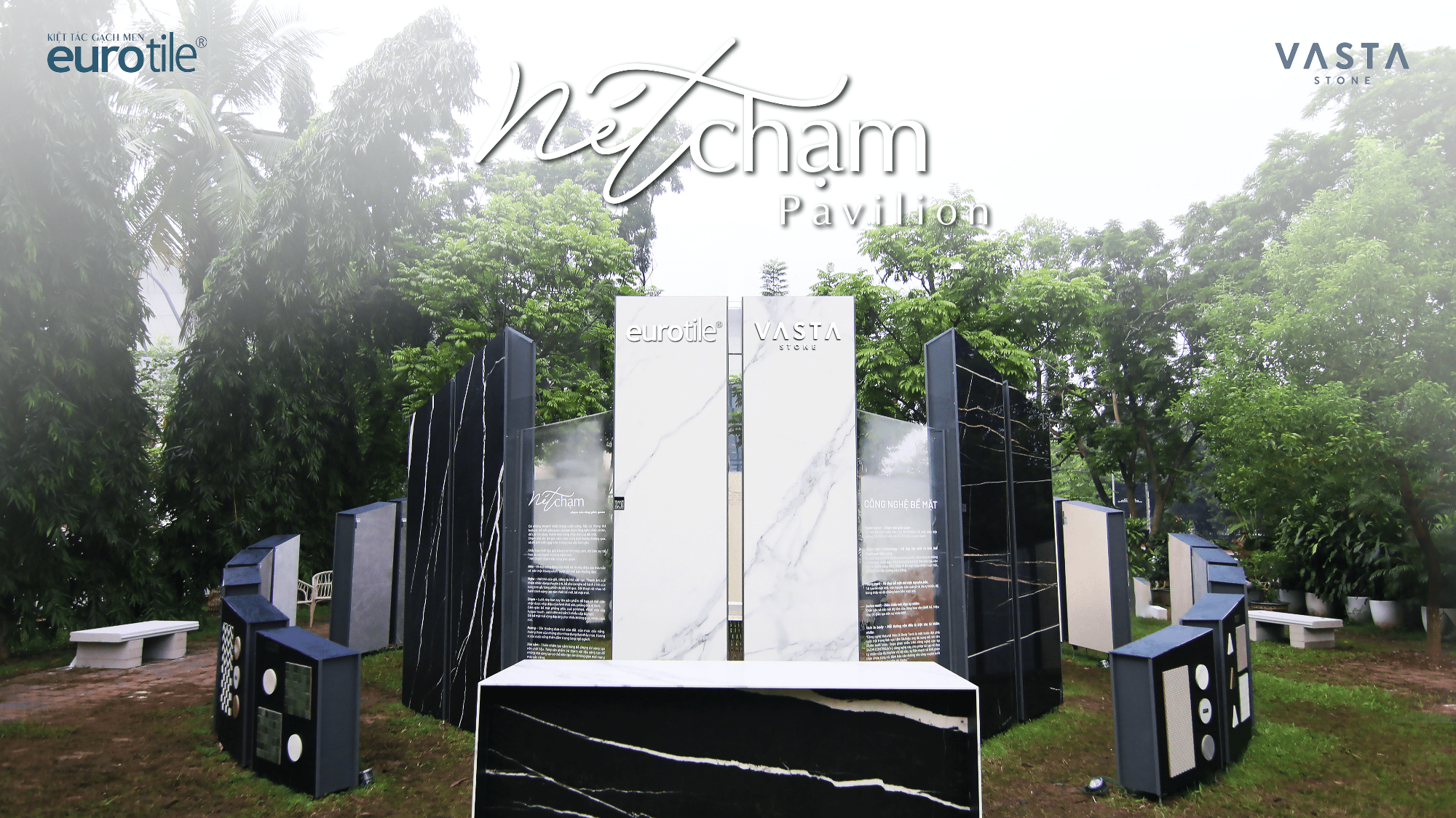
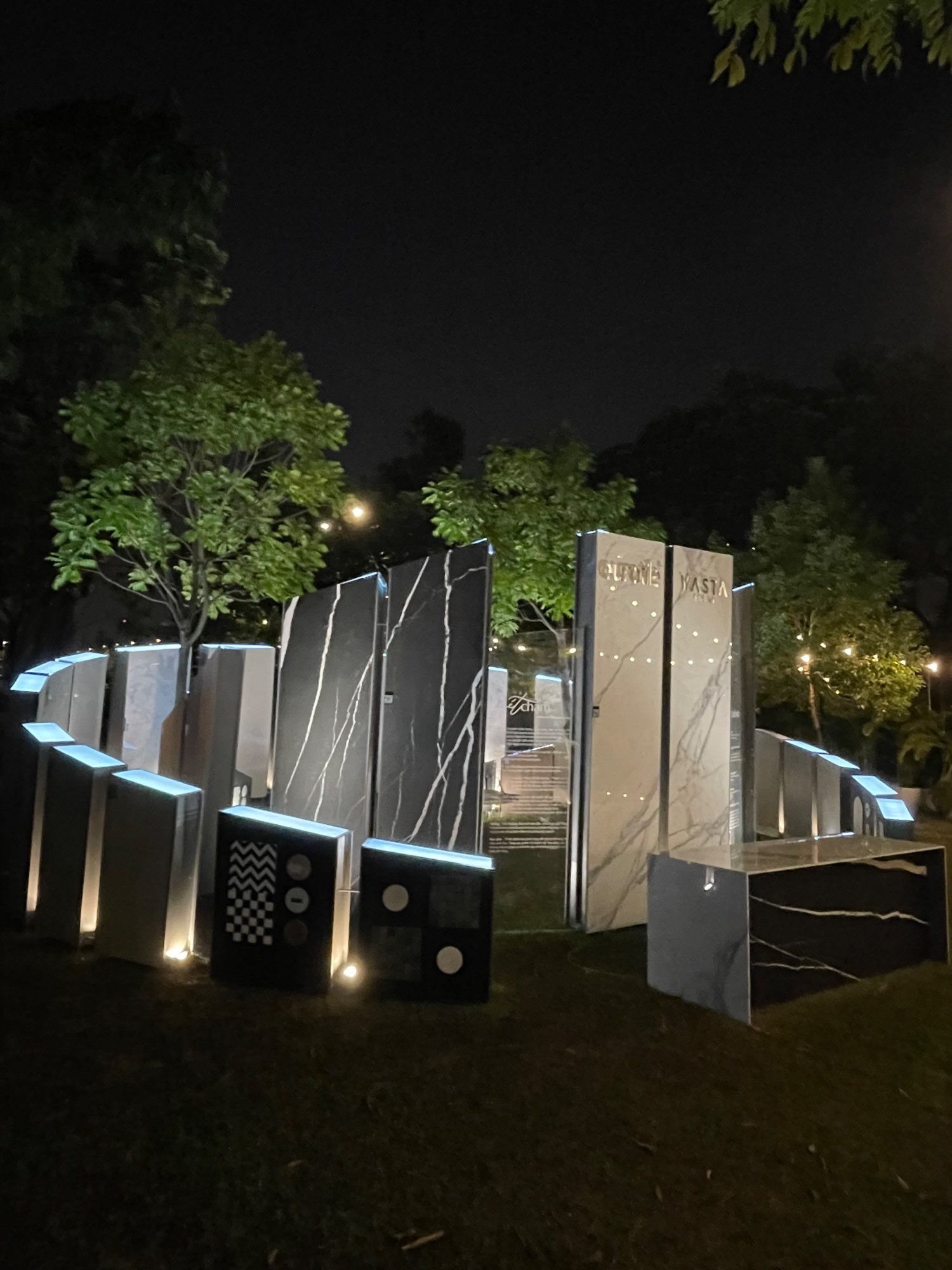
Không gian trưng bày "Nét chạm Pavilion"
Expert Perspectives: From Traditional Wisdom to Advanced Solutions
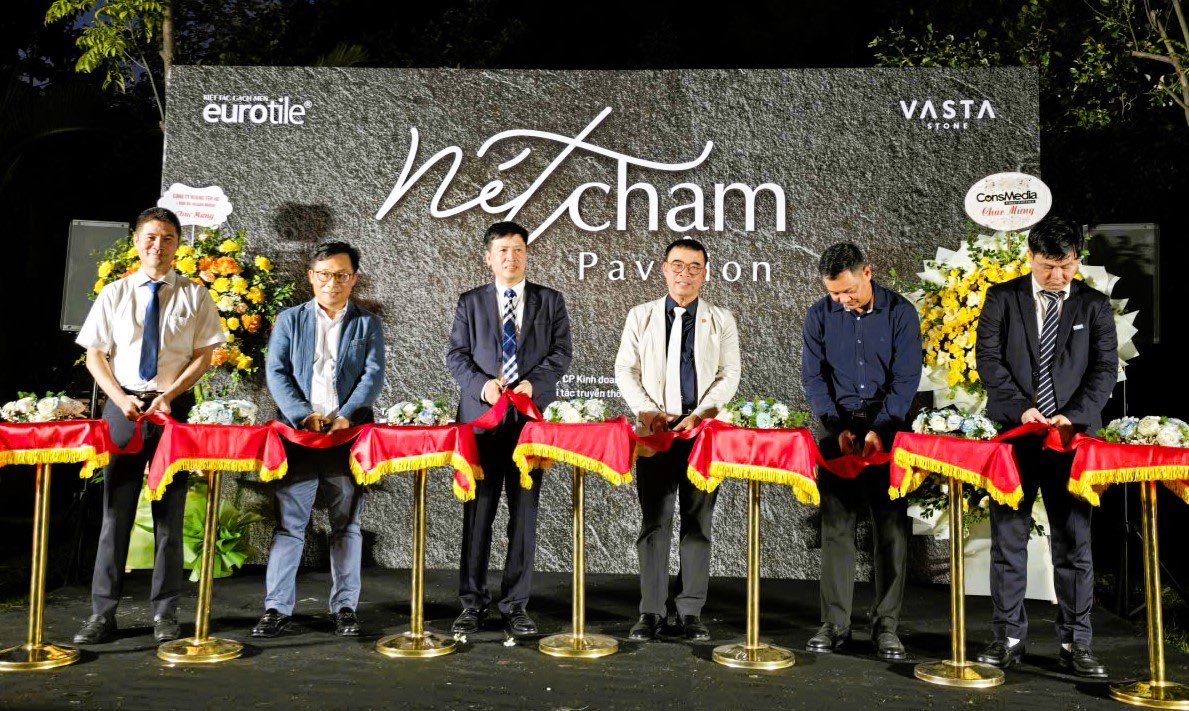
At the "See – Touch – Define" seminar recently held within the "Touch Pavilion" event, leading architects analyzed the current reality and proposed adaptive urban models.
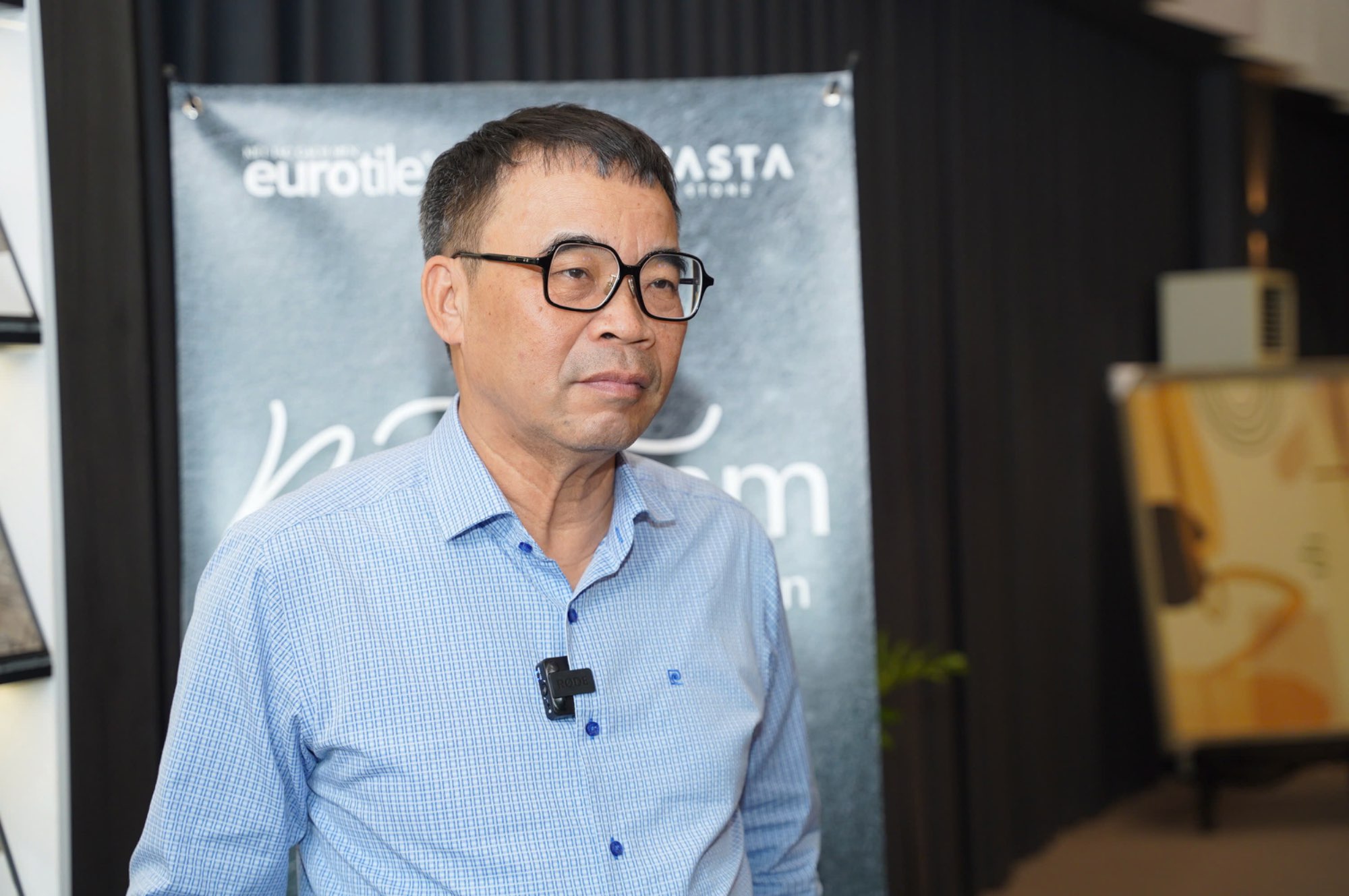
TS.Phan Đăng Sơn - Chủ tịch Hội Kiến trúc sư Việt Nam
Dr. Phan Dang Son, President of the Vietnam Association of Architects, noted: "Vietnam is facing severe flooding due to increasingly erratic weather patterns. While urban planning accounts for standard rainfall, levels exceeding 200–300 mm leave many areas paralyzed. It is clear that current models are not resilient enough against climate change. We must update our technical solutions while leveraging traditional experience to find a new adaptive urban model."
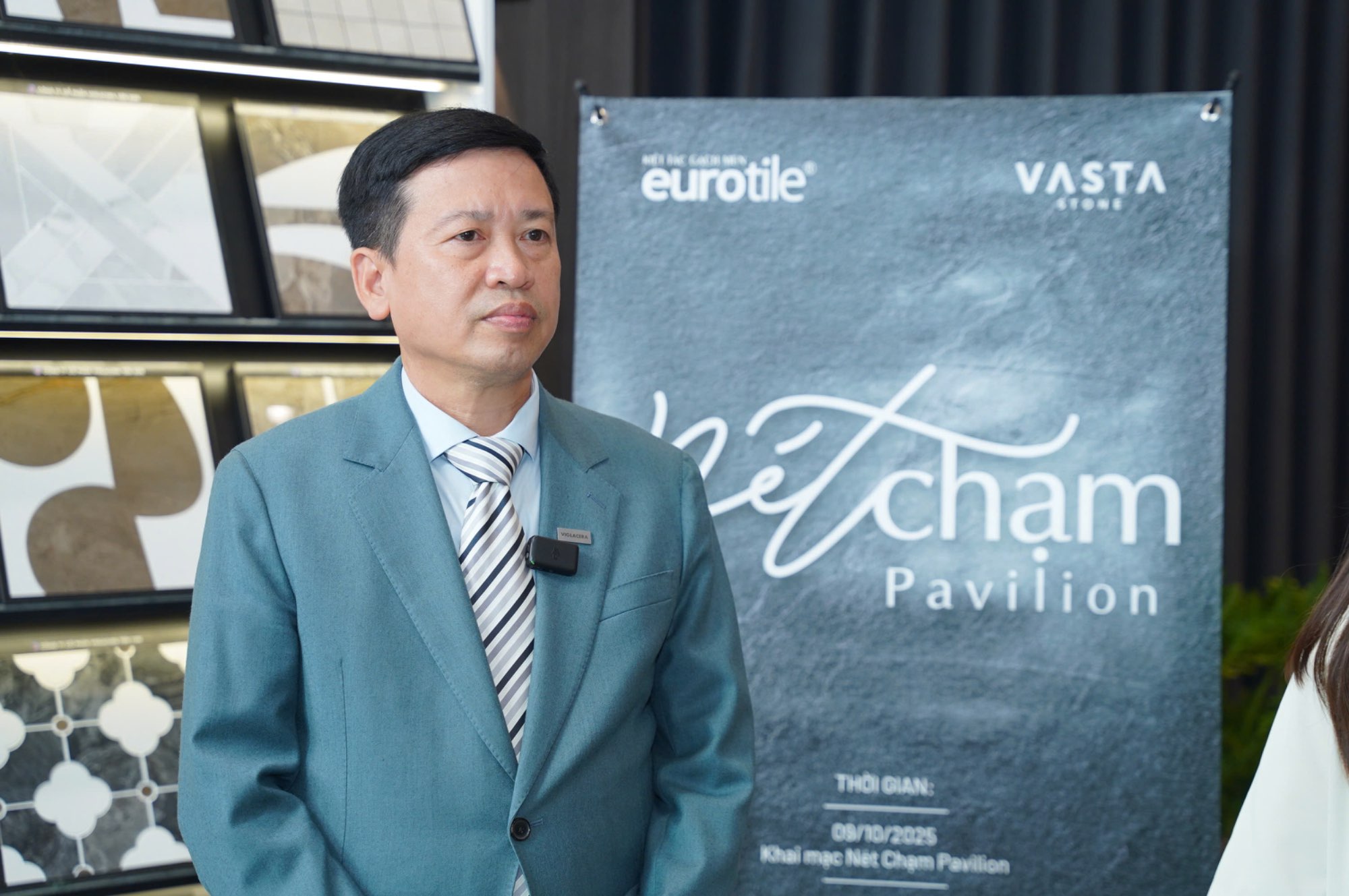
Ông Mai Xuân Đức - Tổng Giám đốc Công ty CP Kinh doanh gạch ốp lát Viglacera chia sẻ tại tọa đàm “Kiến - Chạm - Định”
The Role of Material Innovation
In tandem with master planning, construction enterprises are contributing through breakthroughs in material science.
Mr. Mai Xuân Đức, General Director of Viglacera Tiles Trading JSC, shared at the seminar: "There is a clear trend among consumers toward materials that are both climate-adaptive and eco-friendly. Given the humid and rainy climate of Northern Vietnam, Viglacera is developing large-format tile and stone lines with superior waterproofing and heat resistance. These products minimize the impact of waterlogging while ensuring the long-term aesthetic and structural integrity of the project."
According to Mr. Duc, Vasta Stone sintered stone represents the future of the industry. This material is lightweight, durable, UV-resistant, and environmentally friendly. Additionally, Viglacera has officially launched the Eurotile 2025 Season Collection, featuring 38 series and hundreds of designs developed after years of research.
A Sustainable Outlook
Experts agree that sustainable flood prevention requires restoring nature's self-regulating capacity through the application of new technologies and materials. Currently, the Government has introduced strong incentives for green products, ranging from credit preferences to support for energy-efficient buildings. As a result, the growth rate of the green building materials market in Vietnam is projected to reach 20–30% annually.
Source: Hanoi TV