News
POST-RESTRUCTURING: VIGLACERA’S TWO CORE MANUFACTURING GIANTS IMMEDIATELY EXECUTE STRATEGIC ROADMAP
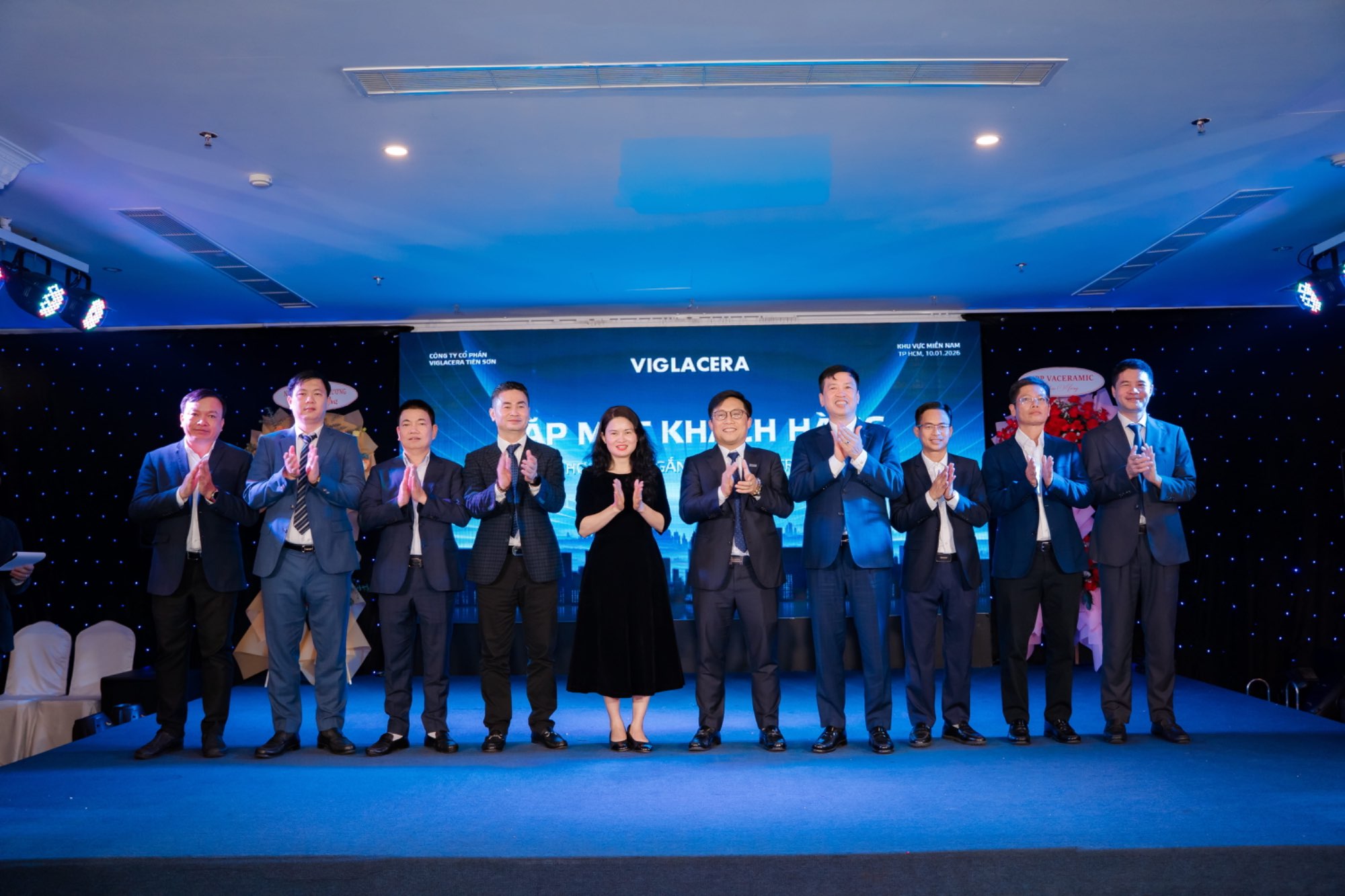
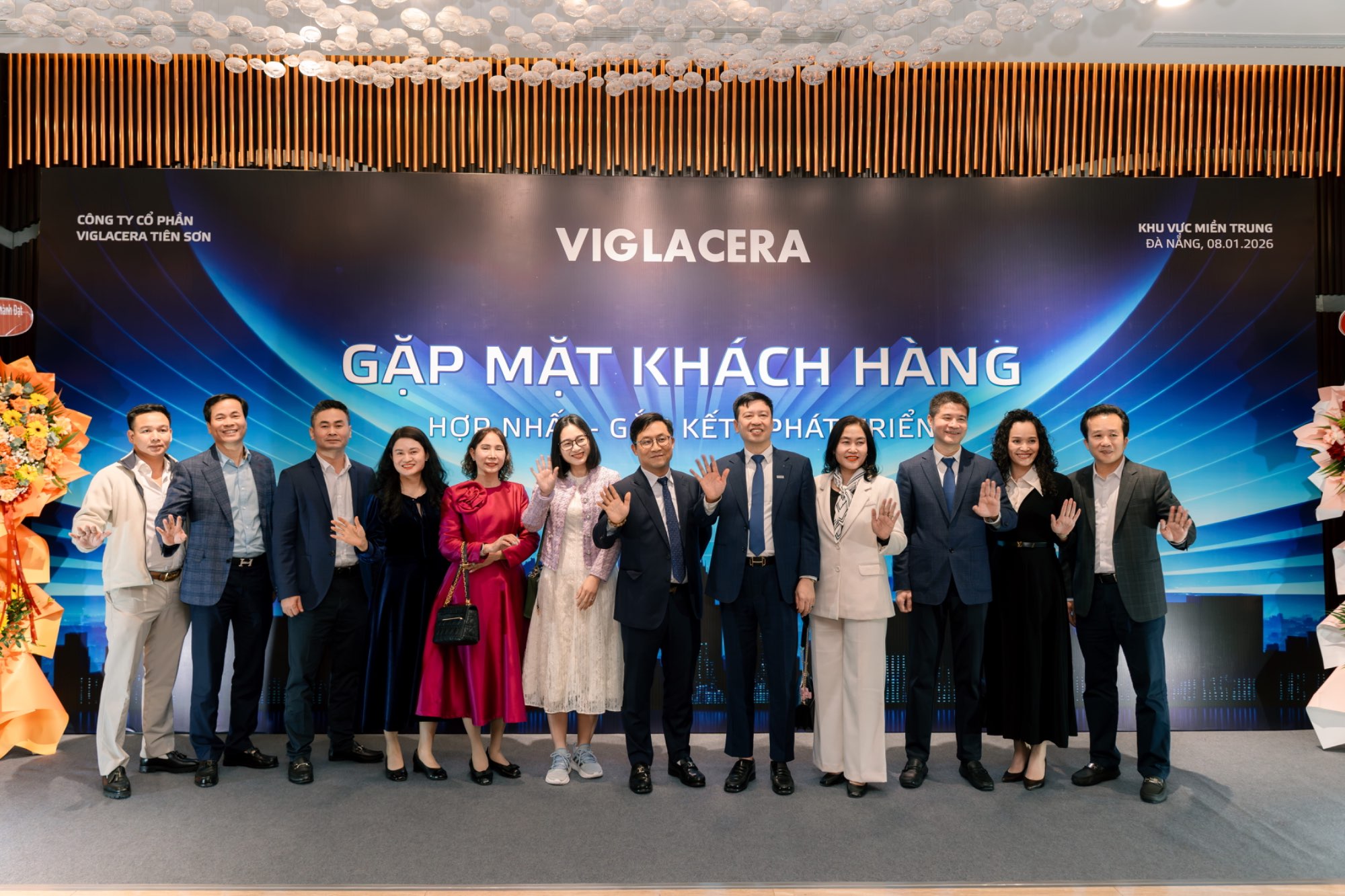
In the opening days of the 2026 fiscal year, the leadership of Viglacera Corporation held intensive working sessions with Viglacera Tien Son JSC and Viglacera Sanitaryware Co., Ltd. (Vigsa). These sessions served as the official launch for executing the post-restructuring strategy, detailing solutions to fulfill 2026 targets and long-term goals.
Moving beyond routine reporting, these meetings allowed Corporation leaders and professional departments to align on action plans, sustainable resource allocation, and the groundwork for a new phase of accelerated growth.
Restructuring & The "Double Responsibility"
Viglacera Tien Son and Vigsa have completed critical restructuring phases, emerging as the Corporation's two centralized manufacturing and business hubs.
-
Viglacera Tien Son: Now occupies a central role, coordinating production and taking direct responsibility for the market performance of a product group where Viglacera ranks among the Top 20 global producers.
-
Vigsa (Sanitaryware): Reorganized through the merger of multiple manufacturing and commercial units. This centralized governance structure manages a production scale ranked Top 27 globally, demanding elite-level control and executive capacity.
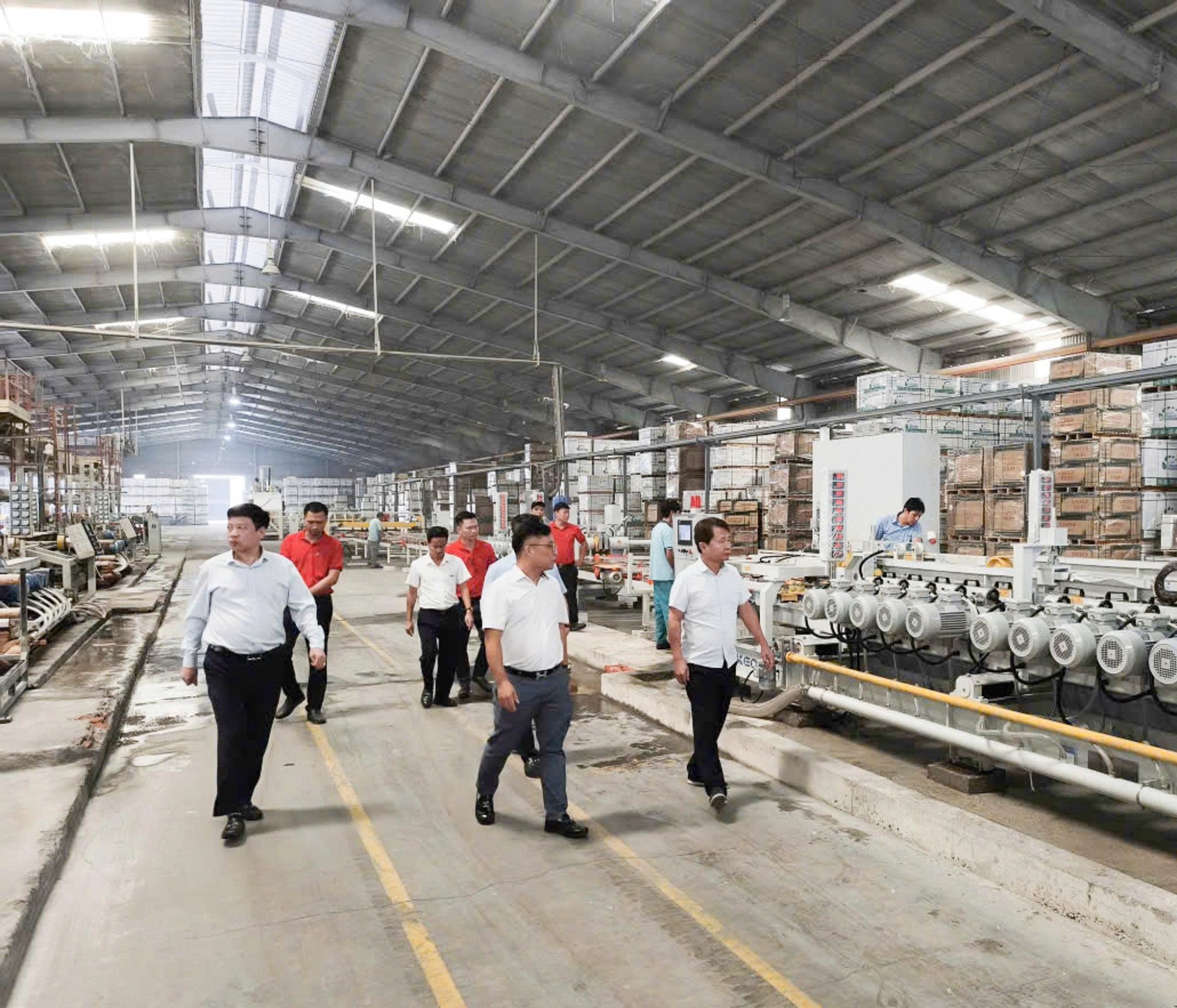
The Shift: Previously, factories focused solely on production and quality, while separate trading arms handled sales. In the new model, both companies are fully autonomous, managing the entire lifecycle from investment and production to market consumption. This "double responsibility" closes the gap between the factory floor and the end consumer, serving as a definitive test for the new leadership apparatus.
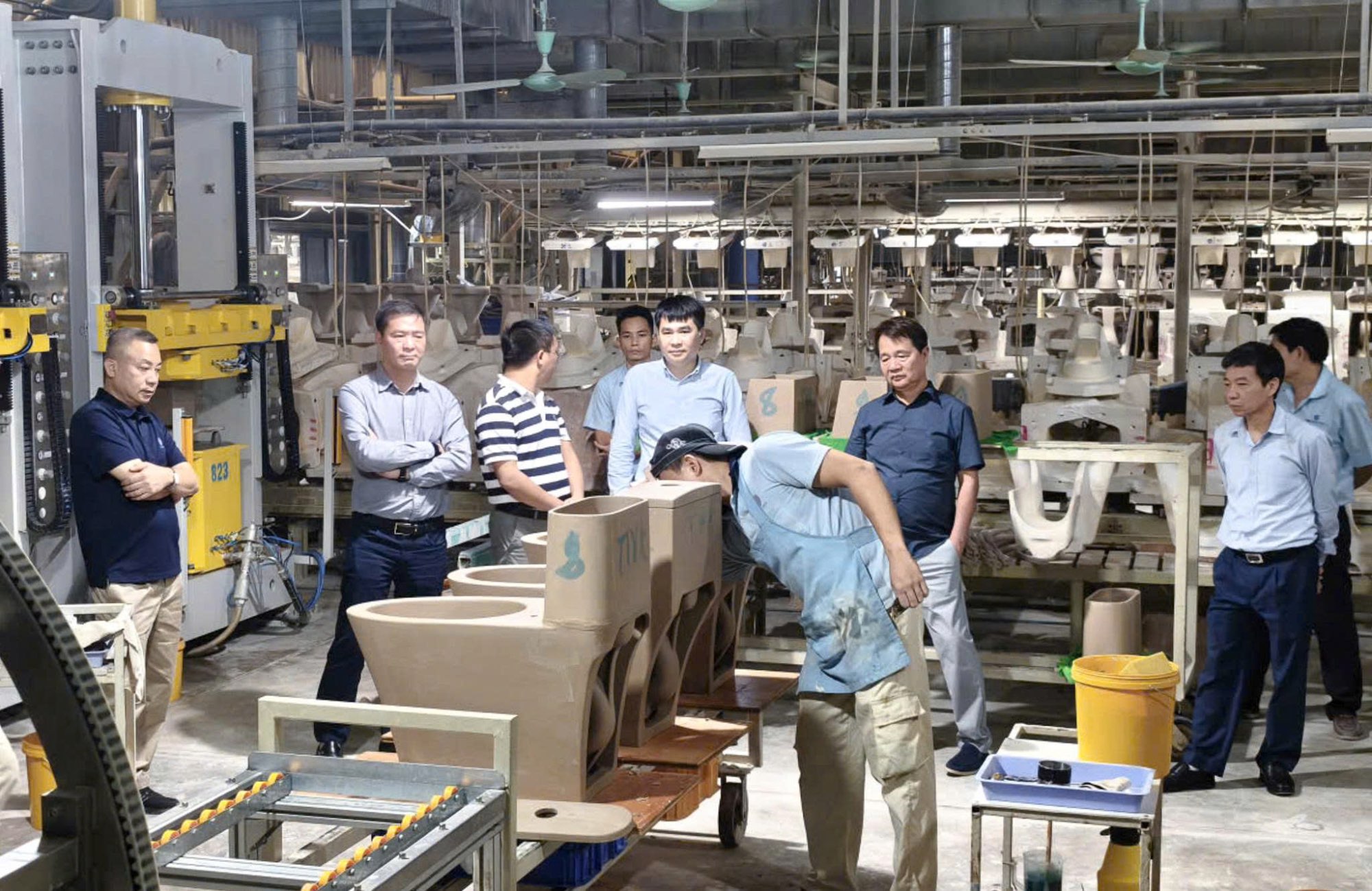
Technology Investment Paired with Multi-Layered Governance
Both units have recently undergone foundational technology investments to stabilize quality and increase output. For 2026 and beyond, this investment will move toward "depth" alongside scale expansion.
"The management apparatus must innovate its mindset and escape the operational habits of the old model. Leadership must be ready for new consumption schemes as output increases by a volume equivalent to one or two new factories." — Mr. Nguyen Anh Tuấn, General Director of Viglacera Corporation.
Mr. Tran Manh Huu, Chairman of the Board, further emphasized that efficiency must be measured by tangible business results and the ability to adapt to market fluctuations—not just monthly, but with a sustainable long-term vision. Key focus areas include:
-
Cash Flow Restructuring: Moving toward standardized, transparent financial management.
-
R&D Investment: Allocating appropriate resources to maintain a competitive edge.
-
Inventory Control: Implementing strict measures as production volumes surge.
From Restructured Foundation to Enhanced Control
To meet these mandates, both units have subdivided their objectives into specific "Action Axes":
Vigsa (Sanitaryware)
General Director Le Anh Tuấn outlined key solutions:
-
Selective Export: Focusing on high-efficiency, premium products for international markets.
-
Demand-Driven Production: Strictly adhering to "make-to-order" principles to match market needs.
-
Quality Standardization: Unifying quality benchmarks and clearly defining production roles across all factories.
Viglacera Tien Son (Tiles & AAC)
Director Le Tien Dung identified 7 specific task groups:
-
Cost Reduction: Lowering product costs to increase competitiveness.
-
Recovery Rates: Improving production yield percentages.
-
Investment Efficiency: Implementing initiatives to maximize the ROI of new technologies.
-
Contractual Management: Enhancing the "Khoán Quản" (internal contracting) mechanism.
-
Inventory Standards: Maintaining optimal stock levels.
-
Environmental Compliance: Finalizing and perfecting green manufacturing standards.
-
Safety & Fire Prevention: Ensuring absolute labor and fire safety.
The Pillar of Sustainable Growth
General Director Nguyen Anh Tuấn issued a final directive: "Production must be tightly linked to the market; investment must go hand-in-hand with exploitation; growth must be accompanied by control."
While these requirements are foundational, they have become urgent as these two entities now serve as the twin pillars of Viglacera’s building materials sector. This integration is the bedrock upon which Viglacera will evolve into a modern, globally competitive manufacturing group.